SNGPL Meter Reading Date: How to Check Your Monthly Billing Cycle
Knowing your SNGPL Bill reading date helps you understand your monthly gas usage, check billing details, and prepare for upcoming payments. Many consumers want to know when their gas meter is read, how the billing cycle works, and why the reading date may differ from the date they receive their bill.
The SNGPL Meter Reading Date is an important detail because it helps you track your gas consumption during a billing period. By checking your previous bill, monitoring your meter, and reviewing the latest statement, you can better understand your monthly charges and identify possible billing errors.
This guide explains how to check your meter reading date, understand your billing cycle, and manage your gas bill more effectively.
What Is the SNGPL Meter Reading Date?
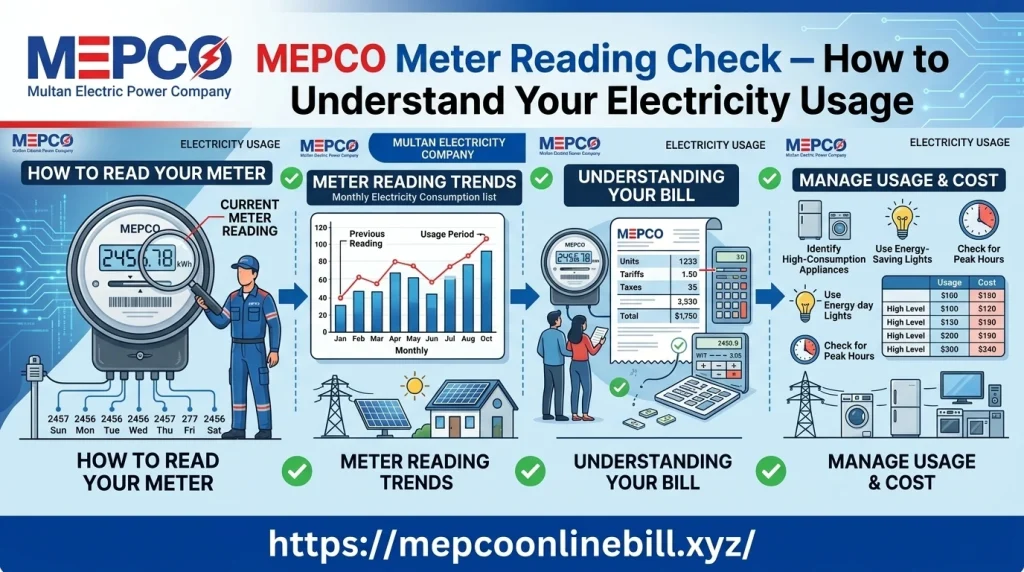
The meter reading date is the date on which a gas utility records the meter reading to calculate the customer’s consumption for a billing period. The reading helps determine how much gas a household has used since the previous reading.
Sui Northern Gas Pipelines Limited (SNGPL) provides natural gas services to consumers in its service areas. Your billing information may include:
- Previous meter reading
- Current meter reading
- Gas units consumed
- Billing period
- Current charges and applicable taxes
- Bill issue date and payment due date
These details help you understand how your monthly gas charges are calculated. Keep in mind that the meter reading date, bill issue date, and payment due date are different.
How to Check Your SNGPL Meter Reading Date
If you want to find your next or previous reading date, start with your latest gas bill. Follow these steps to review the available information.
1. Check Your Previous Gas Bill
Find a recent bill and look for the meter reading details. Depending on the bill format, you may see the previous reading, current reading, reading period, or related dates.
Compare these details with your earlier bill to understand your consumption history.
2. Review the Billing Period
The billing period indicates the dates covered by your gas charges. Check whether the statement shows a reading date or a period for which consumption was calculated.
Your bill may not provide a confirmed future meter reading date. Avoid assuming that the next reading will occur on exactly the same calendar day every month.
3. Compare Previous and Current Readings
Record the meter readings shown on two consecutive bills. Comparing them can help you understand your gas usage.
For example, if your previous reading was 2,450 and your current reading is 2,478, the difference is 28 meter units. The final billed consumption and charges may depend on the meter type, billing rules, and other applicable calculations.
4. Contact SNGPL for Confirmation
If your bill does not clearly show the reading date, contact SNGPL through its official customer service channels. Keep your consumer number or bill available so you can provide the information needed to review your account.
For official information, visit the SNGPL website at https://www.sngpl.com.pk/.
Understanding Your Monthly SNGPL Bill Cycle
A monthly gas billing cycle generally involves recording meter consumption, processing the relevant billing information, issuing a bill, and providing a payment deadline.
Although these steps are common, the exact reading and bill delivery dates can vary. Your latest statement is the best starting point for understanding your account’s billing period.
Here is how the main dates differ:
- Meter reading date: When consumption is recorded.
- Bill issue date: When the bill is generated.
- Due date: The deadline for paying the amount shown.
- Billing period: The period covered by the charges.
Understanding these differences helps prevent confusion when a bill arrives several days after the meter reading.
Why Is Your Gas Bill Reading Date Important?
Checking the reading information regularly can help you manage household expenses and notice unusual changes in consumption.
Important benefits include:
- Better budgeting: You can prepare for monthly gas expenses.
- Consumption tracking: Comparing readings helps you monitor usage.
- Error identification: You may notice an unexpected reading or billing period.
- Payment planning: Reviewing the due date helps you avoid late payments.
- Record keeping: Saving previous bills makes comparisons easier.
However, a higher bill does not automatically mean the meter reading is incorrect. Seasonal usage, applicable tariffs, taxes, and other charges can also affect the final amount.
What to Do If Your Meter Reading Seems Incorrect
If the reading on your bill appears different from the meter, check the information carefully before reporting a problem.
- Compare the current reading on your bill with the meter display.
- Confirm that you are checking the correct meter and consumer account.
- Review your previous bill to see how consumption has changed.
- Keep a dated photograph of the meter display for your records, where practical.
- Contact SNGPL through its official channels if the discrepancy remains.
Do not tamper with the gas meter or break any seals. Ask the utility to investigate any suspected reading or billing issue.
Tips for Tracking Your Monthly Gas Consumption
You can make it easier to understand your monthly gas usage by following a few simple habits:
- Keep copies of your recent gas bills.
- Record your meter reading periodically without interfering with the equipment.
- Compare consumption during similar months.
- Check the billing period and due date whenever a new bill arrives.
- Investigate sudden changes in usage or charges through official customer support.
These steps can help you understand your account and prepare for future payments.
Conclusion
Checking your SNGPL Bill reading information is a practical way to understand monthly gas consumption and manage household expenses. Review your previous bill, compare meter readings, and distinguish the reading date from the bill issue date and payment deadline.
If you cannot confirm your SNGPL Meter Reading Date from the available statement, contact SNGPL directly for account-specific guidance. Regular monitoring and careful record keeping can help you identify unusual changes and manage your monthly gas bills with greater confidence.